2023 Tri-State Seminar, August 7-10 in Las Vegas – Event Recap
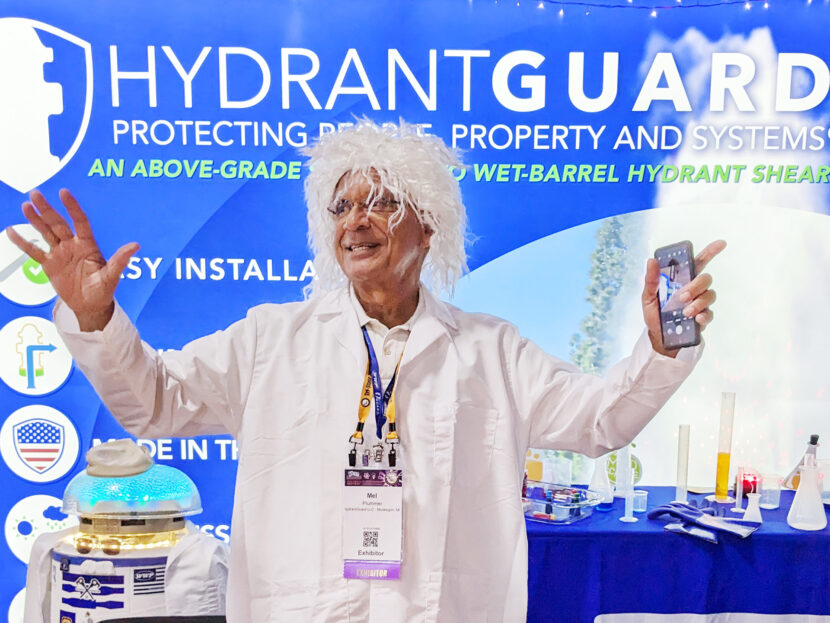
Mel Plummer, Hydrant Guard Founder, at Tri-State Seminar 2023

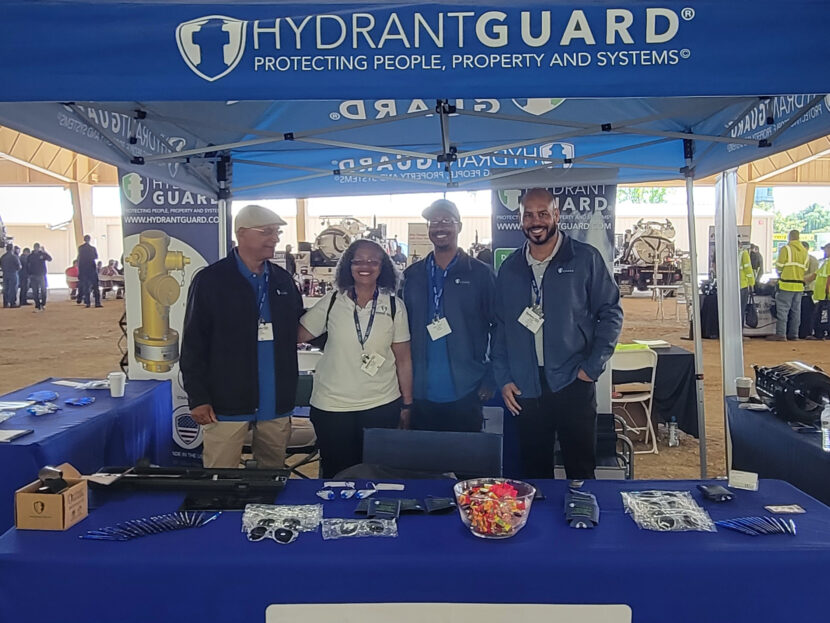
The Las Vegas Tri-State Seminar has grown into a major event in the water industry calendar, and it keeps getting better (and bigger). This year’s event hosted 4,400 attendees, an increase of over 1,000 attendees from 2022. The theme was “Weird Science: Predicting and Protecting Human Health and the Environment.” With no holds barred (and all valves checked) the Hydrant Guard team went all-in for the show.
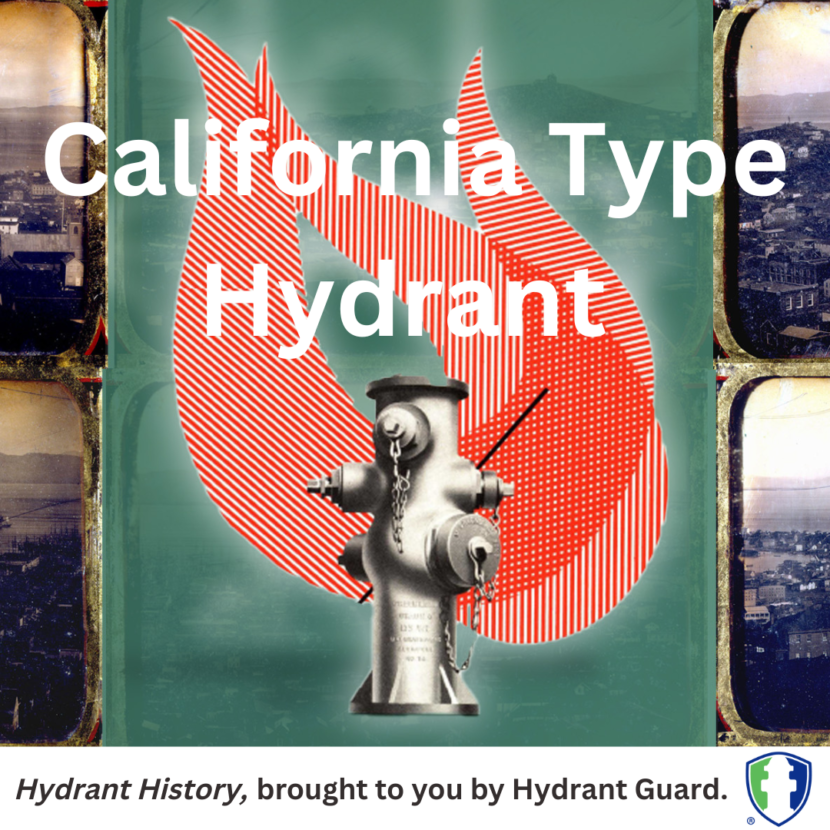
Hydrant History: The California Type Hydrant

Until 1850, hydrant innovation focused on dry-barrel designs that worked well in the cold. But California’s climate called for different types of fire hydrants.

San Francisco was reeling from a destructive blaze in 1851. At that time, there were no fire insurance companies: what was lost in the fire was lost forever. The city didn’t even have underground water networks. A new series of projects topped the municipal agenda: digging wells, channeling water, and casting hydrants. They just needed the right manufacturer for the job: who would step up?

Hydrant History: The World’s First Fire Hydrants

The Worlds First Fire Hydrants 2

Getting water out of the ground remained an unsolved problem in 1800, despite all the advances in underground infrastructure; firefighters had either to plunge buckets in the nearest cistern or dig down to perforate the wooden mains that conveyed water before metal pipes.

Before the invention of hydrants, the first brigade on scene tore up the ground until they reached the wooden water main, pierced it open and flooded the dugout around the puncture. From this makeshift pool the brigade filled buckets and attached hoses. After the fire, they closed the hole in the main with a plug, and it was these plugs that gave rise to the hydrant’s original name: fireplug.